Airport wheelchair assistance should cover the connection, not stop at the first gate
DOT guidance explains what help airlines must provide and how travelers can make a request specific enough to carry through a journey.
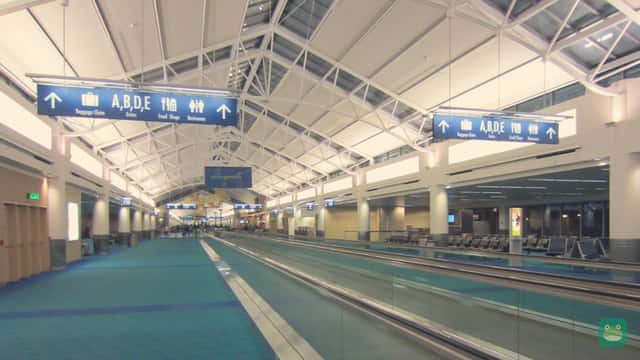
A wheelchair request is most useful when it describes the whole trip. A traveler may need help from the terminal entrance to the seat, between connecting gates, and from the arriving aircraft through the destination airport. Treating it as a request only for the first departure can leave the hardest transfer unresolved.
The U.S. Department of Transportation says airlines must promptly provide requested assistance to passengers with disabilities. That can mean a wheelchair for a mobility impairment or guided help for a person who is blind. Travelers must identify themselves to airline staff at the airport as needing the service. DOT assistance guidance.
Describe the task you need help with
A useful request states what the traveler can and cannot do during the journey. For example, a passenger may be able to walk inside the cabin but not cover a long terminal. Another may need assistance all the way to the aircraft seat. These are different service needs, even if both begin with a wheelchair at check-in.
DOT says the airline can ask for credible verbal assurance about how the requested service helps with a disability when the need is unclear. The inquiry should focus on assistance needs, rather than the nature of the disability. Wheelchair service is not a general fast-track option for travelers who simply want to avoid lines.
Guided assistance also deserves a precise request. A traveler who needs help finding the route through an airport may not need a wheelchair. DOT's guidance says the service should support the person's actual access needs.
Build the connection into the booking
Record each flight number, arrival airport and departure airport before contacting the airline. Ask how the transfer between flights will work, where staff will meet the traveler, and whether the personal mobility device will be available during the connection. A short scheduled connection deserves special attention because the transfer includes more than walking time.
This is a planning step, not a guarantee that a specific connection will work. Gate changes and late arrivals can alter the route. Keep the assistance request linked to the reservation and check it again after a flight change.
DOT says assistance can include movement from the terminal entrance through security and to the aircraft seat. It also covers relevant movement after arrival and between flights. Request help directly when reaching the airport; simply waiting at the curb does not tell the airline that assistance is needed.
Separate airport help from personal care
Airline assistance has a defined scope. Before booking, identify any care needs during the flight and discuss those with the carrier. Do not assume that a terminal wheelchair request also arranges every kind of onboard support. DOT provides broader information on traveling with a disability.
If the need for help becomes clear during the flight, tell the crew before landing. DOT says travelers who require help getting off should receive prompt assistance when the last passenger who did not request that assistance has left.
Know whom to ask when the plan fails
For a disability-access problem, ask for the airline's Complaints Resolution Official, or CRO. DOT describes this person as the carrier's specialist on disability accommodation. Airlines must make a CRO available free of charge, in person or by phone, while they operate.
Write down the flight, gate, time and help requested if a problem occurs. Those facts give the CRO a concrete issue to resolve. A clear account of what is needed now is more useful at the airport than a broad dispute about the entire trip.
The goal is continuity: assistance that connects the curb, cabin, transfer and arrival into one workable journey.
Cite this article
Seats Frog. “Airport wheelchair assistance should cover the connection, not stop at the first gate.” Seats Frog. Published 2026-11-12. https://www.seatsfrog.com/news/airport-wheelchair-guided-assistance-connection-plan
Wikipedia citation
{{cite news |title=Airport wheelchair assistance should cover the connection, not stop at the first gate |url=https://www.seatsfrog.com/news/airport-wheelchair-guided-assistance-connection-plan |work=Seats Frog |author=Seats Frog |date=2026-11-12 |language=en}}CSL-JSON for reference managers
{
  "id": "https://www.seatsfrog.com/news/airport-wheelchair-guided-assistance-connection-plan",
  "type": "article-newspaper",
  "title": "Airport wheelchair assistance should cover the connection, not stop at the first gate",
  "URL": "https://www.seatsfrog.com/news/airport-wheelchair-guided-assistance-connection-plan",
  "container-title": "Seats Frog",
  "language": "en",
  "author": [
    {
      "literal": "Seats Frog"
    }
  ],
  "issued": {
    "date-parts": [
      [
        2026,
        11,
        12
      ]
    ]
  }
}Citations identify this article and its publication date. Assess the reporting and its linked sources before using it as evidence.
Read this article as Markdown or JSON. Cite the original page and retain its sources, dates and qualifications.
Embed this article summary
Paste this HTML into your page. The summary stays linked to the full story and updates with it. No account required.
<iframe src="https://www.seatsfrog.com/embed/news/airport-wheelchair-guided-assistance-connection-plan?theme=auto" title="Airport wheelchair assistance should cover the connection, not stop at the first gate by Seats Frog" width="100%" height="440" style="border:0;max-width:100%" loading="lazy"></iframe>
<p style="font-size:14px">Airport wheelchair assistance should cover the connection, not stop at the first gate by <a href="https://www.seatsfrog.com/news/airport-wheelchair-guided-assistance-connection-plan" rel="nofollow">Seats Frog</a></p>
<script async src="https://www.seatsfrog.com/embed.js"></script>