The seat-belt sign is not a forecast: why the FAA says to stay buckled
Unexpected turbulence can occur in clear skies. FAA injury data also show why crew safety deserves attention.
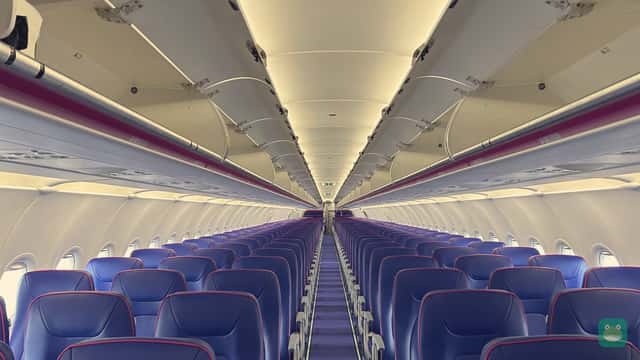
A smooth flight and a dark seat-belt sign do not guarantee that the next minute will stay smooth. The FAA says turbulence can develop unexpectedly, including when the sky appears clear. Its advice to passengers is to keep the belt buckled while seated and listen to the crew. FAA turbulence guidance.
That is a useful distinction when choosing how to settle into a flight. The sign tells passengers when they must remain seated and belted. Keeping the belt fastened while sitting is a further precaution against a jolt that comes before an announcement.
The cabin risk is being thrown from a seat#
The FAA describes turbulence as air movement caused by several conditions, including jet streams, mountain airflow, weather fronts and storms. The passenger concern is not limited to discomfort. Someone who is unrestrained can be thrown from a seat without warning.
Follow the crew's directions when the sign turns on. Do not treat an unfinished drink, a bag in the overhead bin or a planned trip to the lavatory as more urgent than the instruction to sit down.
For a child under two, the agency recommends an approved child restraint or device. Families can use our restraint and seat-booking guide to check the equipment and assignment before travel.
What the injury figures measure#
The FAA publishes a table of serious turbulence injuries in Part 121 airline operations, sourced to the National Transportation Safety Board. For 2022, it lists four passenger injuries and 13 crew injuries. The figures for 2023 are three and 17; for 2024, three and 20.
These are counts of serious reported injuries, not counts of all turbulence encounters or all minor injuries. They also are not a passenger's probability of being injured. The table does not provide the flight or passenger totals needed to calculate an exposure-adjusted risk.
Source: FAA turbulence safety data
Show the numbers
| Year | Passengers | Crew |
|---|---|---|
| 2022 | 4 | 13 |
| 2023 | 3 | 17 |
| 2024 | 3 | 20 |
Crew injuries outnumber passenger injuries in each of those three years. The figures are a reason to take instructions that protect flight attendants seriously, including a pause in cabin service. They do not establish the cause of every individual injury or prove that turbulence itself rose by the same proportion.
A service pause is part of the safety response#
Passengers should follow announcements even if the cabin still feels calm. The pilots and crew may have information that is not apparent from a window view or a weather app.
When service is paused, keep the aisle clear and avoid creating extra tasks that require crew members to move around. Resume normal movement only when permitted. If there is an urgent need, alert a crew member and follow the instructions given.
Carry-on limits and proper stowage also matter. The FAA includes compliance with baggage restrictions among its steps for preventing in-flight injuries. Keep loose belongings controlled and avoid leaving heavy items where they could move.
Separate comfort choices from protection#
A preferred seat may make a flight feel more comfortable, but no row turns off atmospheric movement. A seat-selection purchase should not be treated as a safety guarantee.
The action available in every suitable seat is straightforward: use the restraint, pay attention to the briefing and follow the crew. That habit does not require predicting the weather or deciding whether a particular bump is serious enough to matter.
Cite this article
Seats Frog. “The seat-belt sign is not a forecast: why the FAA says to stay buckled.” Seats Frog. Published 2026-11-12. https://www.seatsfrog.com/news/turbulence-seatbelt-sign-serious-injury-data
Wikipedia citation
{{cite news |title=The seat-belt sign is not a forecast: why the FAA says to stay buckled |url=https://www.seatsfrog.com/news/turbulence-seatbelt-sign-serious-injury-data |work=Seats Frog |author=Seats Frog |date=2026-11-12 |language=en}}CSL-JSON for reference managers
{
  "id": "https://www.seatsfrog.com/news/turbulence-seatbelt-sign-serious-injury-data",
  "type": "article-newspaper",
  "title": "The seat-belt sign is not a forecast: why the FAA says to stay buckled",
  "URL": "https://www.seatsfrog.com/news/turbulence-seatbelt-sign-serious-injury-data",
  "container-title": "Seats Frog",
  "language": "en",
  "author": [
    {
      "literal": "Seats Frog"
    }
  ],
  "issued": {
    "date-parts": [
      [
        2026,
        11,
        12
      ]
    ]
  }
}Citations identify this article and its publication date. Assess the reporting and its linked sources before using it as evidence.
Read this article as Markdown or JSON. Cite the original page and retain its sources, dates and qualifications.
Embed this article summary
Paste this HTML into your page. The summary stays linked to the full story and updates with it. No account required.
<iframe src="https://www.seatsfrog.com/embed/news/turbulence-seatbelt-sign-serious-injury-data?theme=auto" title="The seat-belt sign is not a forecast: why the FAA says to stay buckled by Seats Frog" width="100%" height="440" style="border:0;max-width:100%" loading="lazy"></iframe>
<p style="font-size:14px">The seat-belt sign is not a forecast: why the FAA says to stay buckled by <a href="https://www.seatsfrog.com/news/turbulence-seatbelt-sign-serious-injury-data" rel="nofollow">Seats Frog</a></p>
<script async src="https://www.seatsfrog.com/embed.js"></script>