An exit-row fee buys legroom—and a seat with emergency duties
Before paying for the space, check the operating airline's requirements and whether you can perform the role.
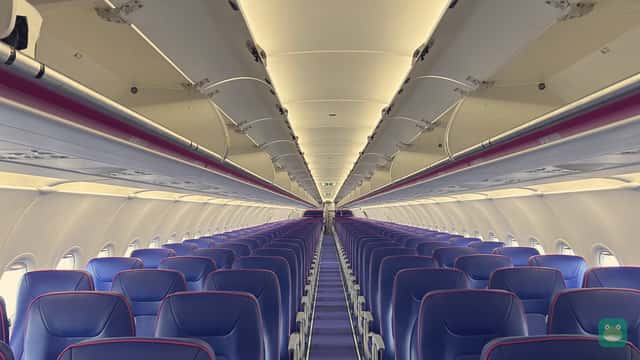
An exit-row seat can look like a simple upgrade on a booking screen. The extra room is real on many layouts, but the seat comes with a role that other economy seats do not. The FAA says passengers in emergency or exit rows must be physically capable and willing to perform emergency actions. Anyone who is not should ask for another seat. FAA passenger guidance.
That makes eligibility the first question, ahead of price. Paying a seat-selection fee does not replace the crew's safety assessment. The relevant choice is whether the traveler can carry out the duties on that aircraft and follow the instructions given on board.
Check your travel party before choosing the row
Children under 15 cannot sit in exit rows under FAA rules. The Department of Transportation also warns that passengers caring for small children cannot occupy those seats. A parent traveling with a baby should therefore look at other extra-space options instead of assuming the whole party can use the exit row. DOT family-seating tips.
Other requirements depend on the applicable rules and the airline's assessment. Read the operating carrier's full eligibility notice. Consider mobility, strength, ability to understand the safety instructions, and any duties to another traveler that could prevent assistance.
Be candid if the answer is uncertain. A condition that does not affect an ordinary seat can matter when a passenger may have to help at an exit. The aim is to find a suitable seat before boarding, while more alternatives may remain available.
The aircraft's instructions matter
The FAA advises exit-row passengers to study the written evacuation instructions and ask questions if anything is unclear. A previous flight in an exit row is not a substitute for the briefing on the current aircraft.
Different aircraft have different exit layouts. The location of the nearest usable exit can also change with the emergency. Listen to the crew rather than treating a seat-map symbol as complete training.
The agency's evacuation guidance tells passengers to locate exits both ahead of and behind their seats. It also stresses leaving bags behind and following crew directions. An overhead bag is not worth a delay in a crowded aisle.
Compare the fee with other ways to get space
Before paying, compare the exit row with a regular extra-legroom seat, if the airline sells one. Check each seat's location and restrictions. A higher price does not by itself establish that a seat reclines more, has better storage, or works for every traveler.
A useful comparison has three columns in your own notes: the seat fee, the specific benefit, and the conditions attached. For an exit row, emergency duties belong in the third column. For another row, the main tradeoff may be proximity to a galley or lavatory.
Also read what happens to the fee if the airline changes the aircraft or moves the passenger. Keep the receipt and the terms shown when purchasing. Refund treatment is a separate question from the crew's obligation to assign seats safely; do not assume every carrier uses the same policy.
Speak up before the door closes
If an injury, medication effect or other change affects your ability to help, tell the crew. Ask for a different seat rather than waiting to see whether the duty becomes necessary.
The right exit-row purchase is one made with both parts understood: the space offered in normal travel and the role expected during an emergency. The seat is only a good fit when both work for the passenger.
Cite this article
Seats Frog. “An exit-row fee buys legroom—and a seat with emergency duties.” Seats Frog. Published 2026-11-12. https://www.seatsfrog.com/news/exit-row-seat-emergency-duties-before-paying
Wikipedia citation
{{cite news |title=An exit-row fee buys legroom—and a seat with emergency duties |url=https://www.seatsfrog.com/news/exit-row-seat-emergency-duties-before-paying |work=Seats Frog |author=Seats Frog |date=2026-11-12 |language=en}}CSL-JSON for reference managers
{
  "id": "https://www.seatsfrog.com/news/exit-row-seat-emergency-duties-before-paying",
  "type": "article-newspaper",
  "title": "An exit-row fee buys legroom—and a seat with emergency duties",
  "URL": "https://www.seatsfrog.com/news/exit-row-seat-emergency-duties-before-paying",
  "container-title": "Seats Frog",
  "language": "en",
  "author": [
    {
      "literal": "Seats Frog"
    }
  ],
  "issued": {
    "date-parts": [
      [
        2026,
        11,
        12
      ]
    ]
  }
}Citations identify this article and its publication date. Assess the reporting and its linked sources before using it as evidence.
Read this article as Markdown or JSON. Cite the original page and retain its sources, dates and qualifications.
Embed this article summary
Paste this HTML into your page. The summary stays linked to the full story and updates with it. No account required.
<iframe src="https://www.seatsfrog.com/embed/news/exit-row-seat-emergency-duties-before-paying?theme=auto" title="An exit-row fee buys legroom—and a seat with emergency duties by Seats Frog" width="100%" height="440" style="border:0;max-width:100%" loading="lazy"></iframe>
<p style="font-size:14px">An exit-row fee buys legroom—and a seat with emergency duties by <a href="https://www.seatsfrog.com/news/exit-row-seat-emergency-duties-before-paying" rel="nofollow">Seats Frog</a></p>
<script async src="https://www.seatsfrog.com/embed.js"></script>